Health, school, and life in general have made it hard to keep up with this, but I still think it matters. Not because I think I have some special perspective to hand down, or because I’m sitting here thinking, “Finally, my words of wisdom will be heard.” It’s more that writing is a good outlet. It helps me process things. I’ve had a lot of change recently, especially in my health and emotionally, and while talking with a friend through a season of change, I kept coming back to the idea that some things have to die before something new can grow.
Scripture is full of plant imagery for a reason. Yes, the Israelites lived in an agricultural world, so those images would have felt immediate and familiar. But I think there’s more to it than that. God created both plants and people, and the way He designed plants to grow, with seasons, pruning, dying, and new life, reflects something true about how He works in us too.
In Job 8:16 and 14:9, plants are used both as a picture of withering under the heat and of life returning when water comes again. That contrast helps show how creation reflects patterns of growth, loss, and renewal, while human life is more fragile and complicated than plants. If He designed the natural world with such purpose, why would we assume He is any less purposeful in how He shapes our lives?
I’m not an expert by any means, but if I know anything, it’s the concept of seasons, change, and moving through them. Below is the VERY cleaned up version of what I said to my friend once I had more time to organize my thoughts past a text message:
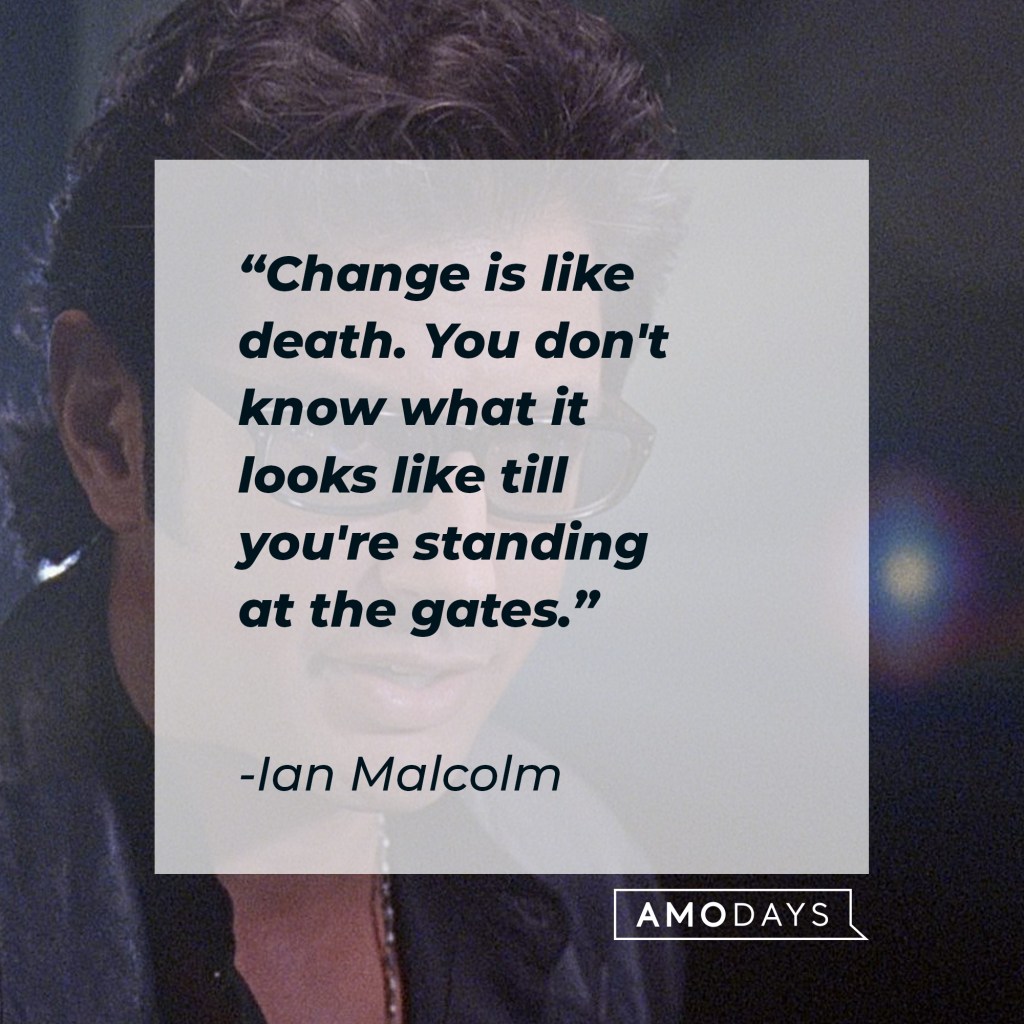
In Jurassic World: Fallen Kingdom, Ian Malcolm is testifying about whether or not they should save the dinosaurs on the island. And yes, I still miss my girl Brachiosaurus. That scene still makes me cry.
Anyway, he’s talking about change, and when a senator asks, “What kind of change?” The reply was this:
“Change is like death. You don’t know what it looks like until you’re standing at the gates.”
– Ian Malcom, Fallen Kingdom
That stuck with me, because in a way, a part of you is dying too — the little kid part of you who was lonely and unsure, the kid without a support structure. That part has to die so you can move forward, but that doesn’t mean it won’t come with grief. It does. But it also means freedom, and freedom usually comes through pain first.
And that same kind of death has to happen in us sometimes. Once you lay that kid you were to rest in peace, you can walk away from the grave changed. You can step into independence from the weight of circumstances you were born into and embrace the new community that loves you without condition.
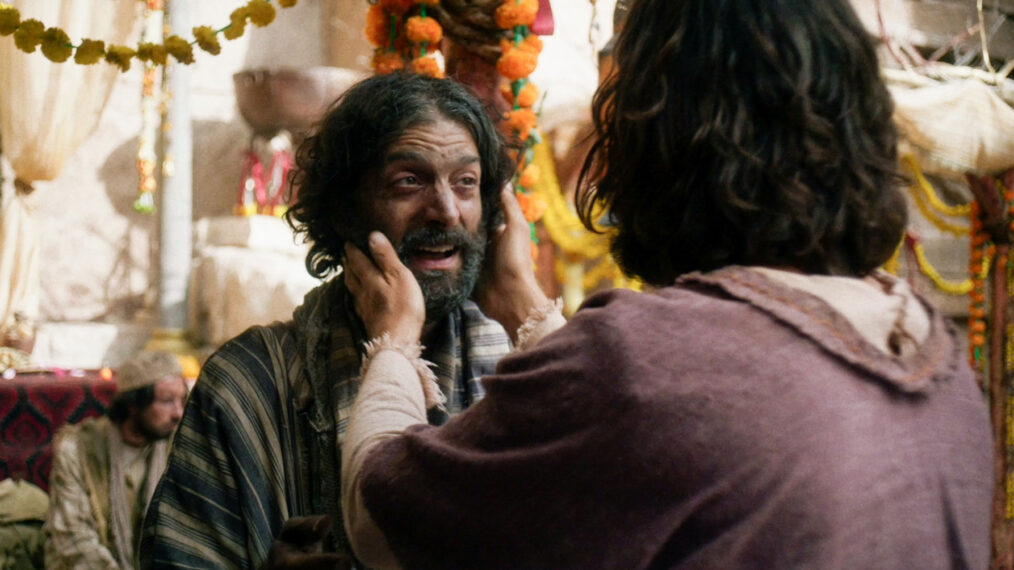
Jesus asked the man in John 5:2-8 if he wanted to be healed. That’s a scary question, believe it or not. Healing is hard work, unless God moves miraculously in a moment, and even then we still have to live out what He’s done. It takes a kind of resolve you can’t conjure up on your own — it has to be powered by Christ.
Unlike the man on the mat, you don’t give excuses. You want to be healed. You want to grow. That matters, and it will help you in your walk with God because it means you are open to His molding.
John 5:2-8 as depicted in The Chosen (S2E4)
And don’t get it twisted — I mean this metaphorically. It doesn’t mean that once you bury your old self, that’s the end of it. Feelings will come back up, as they often do. It doesn’t mean one day you just decide, “Okay, that part of me is dead now,” and move on.
It’s a process. Healing takes time and work. You can’t slap a bandage on a gash and expect it to heal right. You have to go through the hard, painful process of cleaning out the wound and stitching it up. And God will hold your hand through the whole thing, maybe even give you a sucker or sticker for being such a brave patient!
The stitches will still be uncomfortable, but they’ll heal. There will be a scar. And year after year, that scar will fade. It will always be there, but it will become a reminder of what you survived. You are not a victim of your circumstances – you are a survivor of them.
I love metaphors, and I make no apology for that.
One day, when you’re older, you’ll realize that even when people who hurt you do offer a crumb of love or support, it is often limited or conditional unless they have done the hard work of healing what hurt them in the first place. People do not usually wound others without carrying wounds of their own. That does not excuse the harm, but it can help us understand it, and sometimes understanding is the first step toward forgiveness and healing.
This is perhaps one of my favorite theological takes on the subject from one of my favorite theologians:
“When Christ calls a man, he bids him come and die.”
Dietrich Bonhoeffer
That kind of dying is not about destruction for its own sake, but about surrender — letting the old self pass away so Christ can bring forth something new. So pray that hurt you receive the help they need, that they learn to die to themselves, and that Christ would bring healing to their hearts so they can move forward in love and peace.
I grew up in an Episcopalian church, and I think this blessing best sums it all up:
“Send us now into the world in peace, and grant us strength and courage to love and serve you with gladness and singleness of heart; through Christ our Lord. Amen.”
Being able to face the fear is one of the hardest things in the world for me. Staying the same is safe. It means I know what is happening. Change means things can go wrong. Yet, you can’t grow without change.
Thank you for the lesson. I’ll always love your long form insights.


 Kintsugi Faith
Leave a comment